270 Japanese Names That Mean Ice: Cool, Frosty and Elegant Names
Introduction
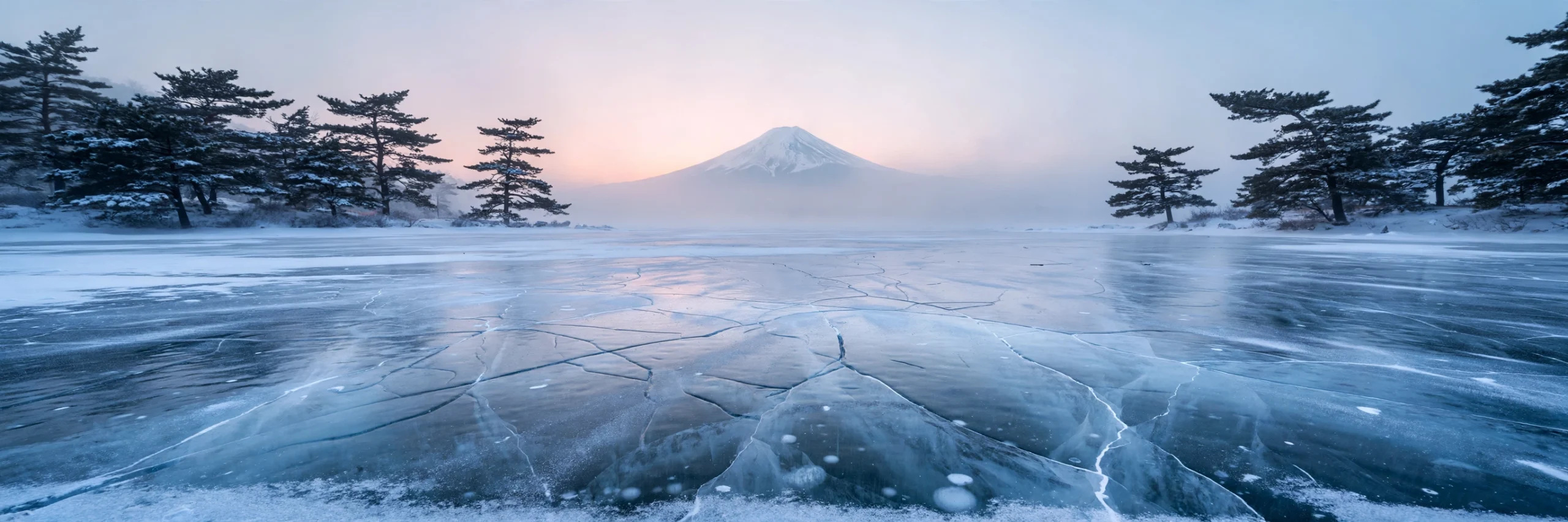
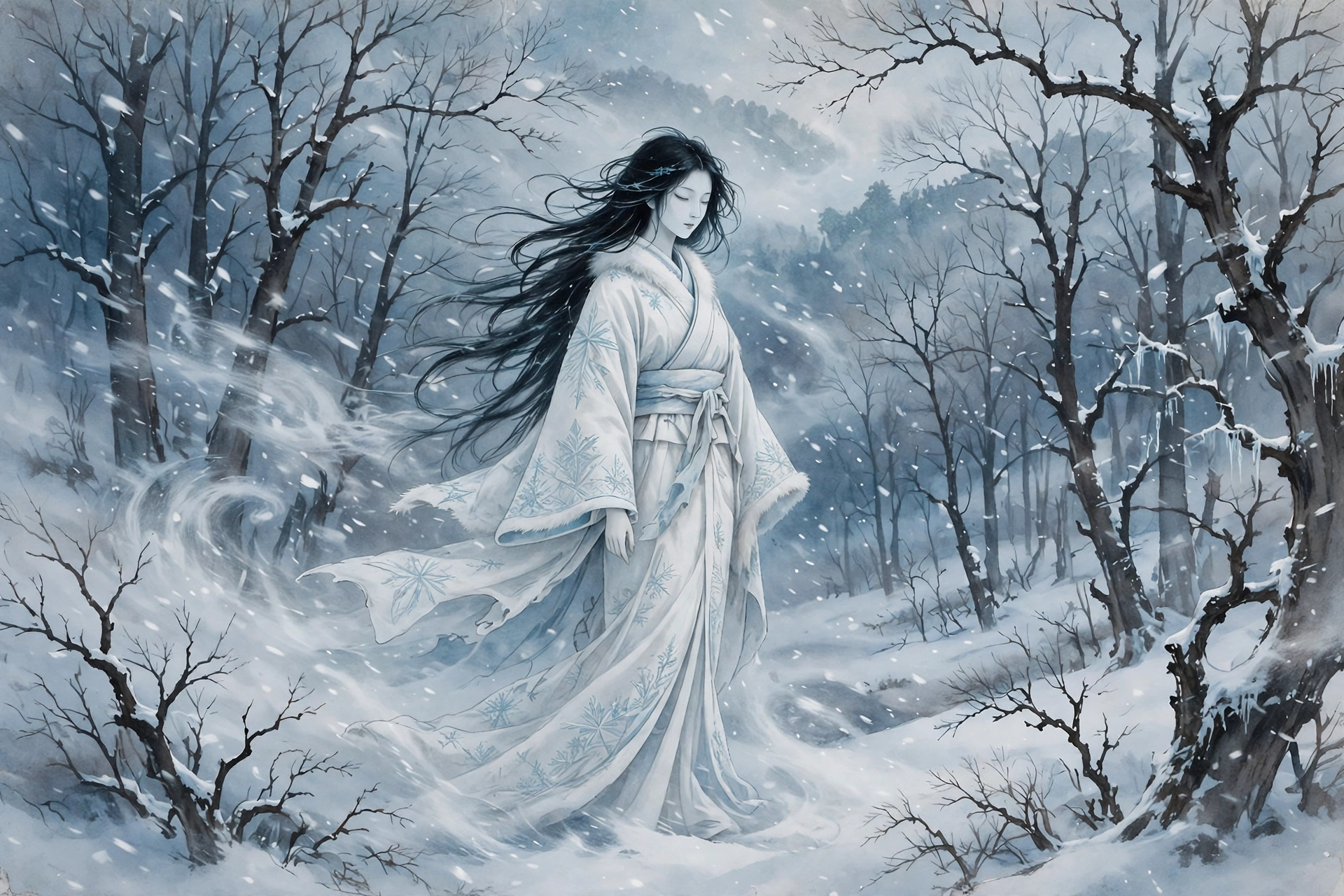
Ice has a special place in Japanese culture. It is carved into lanterns at the Sapporo Snow Festival, stored through summer in imperial ice houses, and feared and loved in the figure of the yuki-onna, the snow woman who appears out of a storm. It is no surprise that Japanese naming draws on a whole family of cold kanji — 氷 ice, 雪 snow, 霜 frost, 冬 winter, 冷 and 涼 cool, 晶 crystal and 冴 cold clarity — each with its own sound and shade of meaning.
This list is built to be the most complete honest one available. Every name below appears exactly once, every name is a genuine Japanese given name, surname, folklore figure or labelled word-name with its kanji shown, and the count is real: no recycled lists, no gaming suffixes, no names dressed up with ‘-chan’. Where a name belongs to fiction or folklore rather than the register office, the table says so.
If you want a name that literally says ice, start with the hyō and kōri tables; if you want winter’s softer side, look at the snow, frost and winter sections. For the widest winter picture, pair this list with our guide to names that mean ice or snow from around the world.
Quick Picks: The 15 Best Japanese Names That Mean Ice
| Name | Origin | Meaning |
|---|---|---|
| Hyōga | Japanese | Glacier (氷河) |
| Yukiko | Japanese | Snow child (雪子) |
| Hyōka | Japanese | Ice flower (氷花) |
| Kōri | Japanese | Ice (氷) |
| Mafuyu | Japanese | Midwinter; the heart of winter (真冬) |
| Yuki | Japanese | Snow (雪) |
| Setsuka | Japanese | Snow flower (雪佳) |
| Rin | Japanese | Cold, dignified chill (凛) |
| Ryō | Japanese | Cool and refreshing (涼) |
| Yukito | Japanese | Snow person (雪翔) |
| Koyuki | Japanese | Light snow (小雪) |
| Hyō | Japanese | Ice (氷) |
| Fuyuko | Japanese | Winter child (冬子) |
| Akira | Japanese | Crystal-clear and bright (晶) |
| Kazahana | Japanese | Snowflakes dancing in a sunny sky (風花) |
Names Written with Hyō (氷), the Ice Kanji
Hyō is the on’yomi reading of 氷, the kanji for ice itself, and it anchors Japan’s truest ice names. Boys’ names pair it with classic second kanji — aid, horse, soar — while girls’ names soften it with flower, feather and sound.
| Name | Origin | Meaning | Note |
|---|---|---|---|
| Hyōsuke | Japanese | Ice + to help | Kanji 氷助; a dependable, classic boy’s name |
| Hyōma | Japanese | Ice + horse | Kanji 氷馬; strong and swift |
| Hyōta | Japanese | Ice + sturdy | Kanji 氷太; a solid modern boy’s name |
| Hyōto | Japanese | Ice + to soar | Kanji 氷翔; ice with lift and ambition |
| Hyōji | Japanese | Ice + to govern | Kanji 氷司; a composed, leaderly name |
| Hyōjirō | Japanese | Ice + second son | Kanji 氷次郎; a traditional -jirō name |
| Hyōichi | Japanese | Ice + one | Kanji 氷一; crisp and minimal |
| Hyōya | Japanese | Ice + also | Kanji 氷也; a classic boy’s ending |
| Hyōki | Japanese | Ice + hope | Kanji 氷希; bright against the cold |
| Hyōri | Japanese | Ice + jasmine | Kanji 氷莉; a delicate girl’s name |
| Hyōna | Japanese | Ice + Nara | Kanji 氷那; soft and modern |
| Hyōko | Japanese | Ice child | Kanji 氷子; the traditional -ko form |
| Hyōsei | Japanese | Ice star | Kanji 氷星; starlight on a frozen lake |
| Hyōten | Japanese | Freezing point | Kanji 氷点; the word for the freezing point itself |
| Hyōrin | Japanese | Ice + cold dignity | Kanji 氷凛; two cold kanji doubled in elegance |
| Hyōsetsu | Japanese | Ice and snow | Kanji 氷雪; the two great winter words together |
| Hyōu | Japanese | Ice feather | Kanji 氷羽; light as a feather on ice |
| Hyōne | Japanese | Ice sound | Kanji 氷音; the crack and ring of lake ice |
| Hyōtarō | Japanese | Ice + eldest son | Kanji 氷太郎; a sturdy traditional boy’s name |
| Hyōe | Japanese | Ice picture | Kanji 氷絵; frost patterns read as art |
Kōri, Setsu and Sleet Names: Ice in Its Other Readings
氷 also reads kōri, the everyday Japanese word for ice, and 雪 (snow) reads setsu in compounds. This table gathers those readings plus the sleet and hail words 霹 and 氷雨.
| Name | Origin | Meaning | Note |
|---|---|---|---|
| Kōriko | Japanese | Ice child | Kanji 氷子; kōri reading with the classic -ko ending |
| Kōrina | Japanese | Ice + Nara | Kanji 氷那; a gentle modern girl’s name |
| Kōrimi | Japanese | Ice sea | Kanji 氷海; a frozen sea in two kanji |
| Kōrito | Japanese | Ice person | Kanji 氷人; a cool-headed boy’s name |
| Kōriya | Japanese | Ice + also | Kanji 氷也; traditional boy’s form |
| Kōrihiko | Japanese | Ice prince | Kanji 氷彦; 彦 marks a boy of rank |
| Kōrisuke | Japanese | Ice + to help | Kanji 氷介; a capable, friendly name |
| Setsu | Japanese | Snow | Kanji 雪 read by its on’yomi; a stark, literary girl’s name |
| Setsuna | Japanese | Snow + Nara | Kanji 雪那; distinct from the word setsuna, a moment |
| Setsuko | Japanese | Snow child | Kanji 雪子; a vintage Shōwa-era favourite |
| Setsumi | Japanese | Snow + beauty | Kanji 雪美; classic and graceful |
| Setsuya | Japanese | Snow + also | Kanji 雪也; a boy’s name with an old soul |
| Setsuto | Japanese | Snow person | Kanji 雪人; the same kanji Yukito also uses |
| Setsue | Japanese | Snow branch | Kanji 雪枝; snow resting on a bough |
| Setsuyo | Japanese | Snow world | Kanji 雪世; a whole world under snow |
| Arare | Japanese | Hail | Kanji 霰; small hailstones, and a bright girl’s name |
| Hisame | Japanese | Ice rain | Kanji 氷雨; freezing rain, used for either sex |
Shimo (霜) Frost Names
Shimo is frost — the white lace that forms on grass and rooftops on clear, cold nights. Frost names are quieter and more poetic than ice names, and 霜 begins one of Japan’s most beautiful traditional names, Shimotsuki, the old name for the eleventh month.
| Name | Origin | Meaning | Note |
|---|---|---|---|
| Shimo | Japanese | Frost | Kanji 霜; the frost word itself as a name |
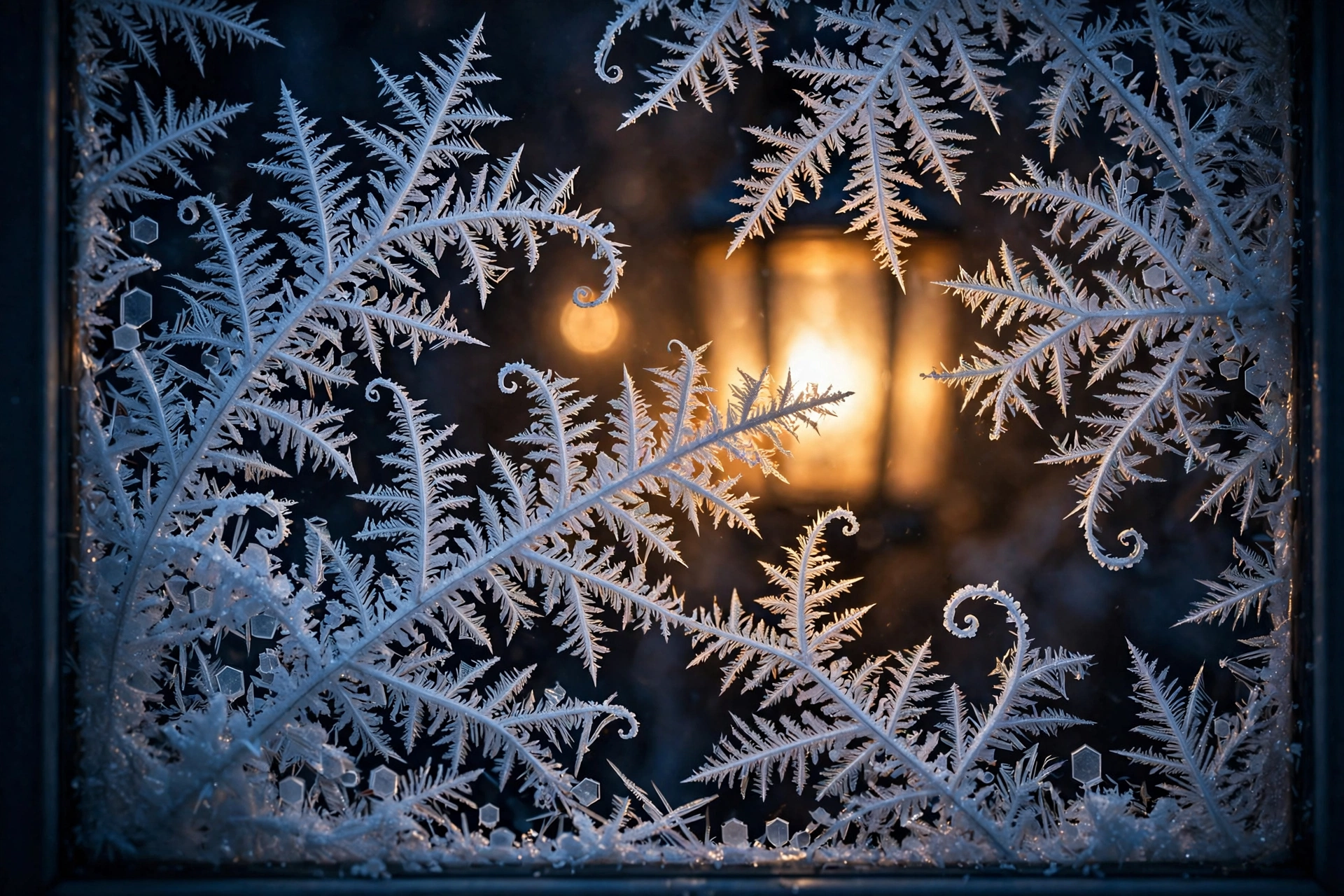
| Shimoka | Japanese | Frost flower | Kanji 霜花; frost ferns on window glass |
| Shimoko | Japanese | Frost child | Kanji 霜子; a vintage girl’s name |
| Shimona | Japanese | Frost + Nara | Kanji 霜那; soft and wintry |
| Shimomi | Japanese | Frost sea | Kanji 霜海; frost reaching the shore |
| Shimoto | Japanese | Frost person | Kanji 霜人; a quiet boy’s name |
| Shimoya | Japanese | Frost + also | Kanji 霜也; a traditional boy’s ending |
| Shimohiko | Japanese | Frost prince | Kanji 霜彦; courtly and cold |
| Shimohiro | Japanese | Frost + vast | Kanji 霜大; a wide white morning |
| Shimotsuki | Japanese | Frost month | Kanji 霜月; the traditional name of the eleventh month |
| Shimoe | Japanese | Frost picture | Kanji 霜絵; frost as brushwork |
| Shimori | Japanese | Frost + jasmine | Kanji 霜莉; a delicate modern name |
| Shimose | Japanese | Frost rapids | Kanji 霜瀬; cold water over stones |
| Shimotarō | Japanese | Frost + eldest son | Kanji 霜太郎; a hearty traditional name |
Yuki (雪) Snow Names for Girls
Snow, yuki, is the most beloved winter word in Japanese naming, and girls’ snow names run from the classic Yukiko to modern coinages with sound, bloom and love kanji. Every romanization below is a distinct name used in Japan.
| Name | Origin | Meaning | Note |
|---|---|---|---|
| Yukina | Japanese | Snow + greens | Kanji 雪奈; a fresh, modern favourite |
| Yukino | Japanese | Snow field / snow’s own | Kanji 雪乃; gentle and very popular |
| Yukine | Japanese | Snow sound | Kanji 雪音; the hush of falling snow |
| Yukie | Japanese | Snow picture | Kanji 雪絵; a snowfall as a painting |
| Yukimi | Japanese | Snow beauty | Kanji 雪美; also echoes yukimi, snow-viewing |
| Yukika | Japanese | Snow flower | Kanji 雪華; an ornate flower kanji |
| Yukiha | Japanese | Snow feather | Kanji 雪羽; soft as a snowflake’s fall |
| Yukihi | Japanese | Snow princess | Kanji 雪妃; a regal girl’s name |
| Yukiri | Japanese | Snow + jasmine | Kanji 雪莉; delicate and modern |
| Yukira | Japanese | Snow gauze | Kanji 雪羅; snow fine as silk gauze |
| Yukia | Japanese | Snow love | Kanji 雪愛; warmth inside the cold |
| Yukari | Japanese | Snow village | Kanji 雪里; a village under snow |
| Yukiyo | Japanese | Snow generation | Kanji 雪代; an elegant older name |
| Yukisaki | Japanese | Snow bloom | Kanji 雪咲; snow that flowers |
| Yukisato | Japanese | Snow homeland | Kanji 雪郷; 郷 is the old village kanji |
| Yukiwa | Japanese | Snow harmony | Kanji 雪和; calm after snowfall |
| Yukiho | Japanese | Snow ear of grain | Kanji 雪穂; a fruitful winter |
| Yukima | Japanese | Snow truth | Kanji 雪真; honest and modern |
| Miyuki | Japanese | Beautiful snow | Kanji 美雪; also written 深雪, deep snow; a timeless classic |
| Sayuki | Japanese | Sand snow | Kanji 沙雪; fine snow like sand |
| Nayuki | Japanese | Name + snow | Kanji 名雪; made famous by the heroine of Kanon |
| Mayuki | Japanese | True snow | Kanji 真雪; sincere and modern |
| Ayuki | Japanese | Asia + snow | Kanji 亜雪; a bright contemporary name |
| Aiyuki | Japanese | Love + snow | Kanji 愛雪; love written before snow |
Yuki (雪) Snow Names for Boys
Boys’ snow names favour the great traditional second-kanji set — benevolence, prince, glory, righteousness, faith — giving yuki a samurai-era gravity the competitor’s lists never reach. Yukio, Yukihiro and Yukinari are everyday names in Japan.
| Name | Origin | Meaning | Note |
|---|---|---|---|
| Yukihito | Japanese | Snow + benevolence | Kanji 雪仁; a humane winter name |
| Yukihiko | Japanese | Snow prince | Kanji 雪彦; the classic boy’s pairing |
| Yukinari | Japanese | Snow + to become | Kanji 雪成; achievement after winter |
| Yukinori | Japanese | Snow chronicle | Kanji 雪紀; orderly and dignified |
| Yukitaka | Japanese | Snow + noble | Kanji 雪隆; lofty as a snowpeak |
| Yukiteru | Japanese | Snow + to shine | Kanji 雪輝; sun glittering on snow |
| Yukiyasu | Japanese | Snow + peaceful | Kanji 雪康; a calm, healthy winter |
| Yukiyoshi | Japanese | Snow + righteousness | Kanji 雪義; an upright name |
| Yukihiro | Japanese | Snow + vast | Kanji 雪弘; broad snowfields |
| Yukio | Japanese | Snow man | Kanji 雪男; the beloved name of writer Yukio Mishima |
| Yukimasa | Japanese | Snow + correct | Kanji 雪正; straight and principled |
| Yukikazu | Japanese | Snow + one | Kanji 雪一; first snow of the year |
| Yukitsugu | Japanese | Snow + next | Kanji 雪次; second-son tradition |
| Yukishige | Japanese | Snow + weight | Kanji 雪重; deep, settled snow |
| Yukinobu | Japanese | Snow + faith | Kanji 雪信; trust in the cold season |
| Yukisada | Japanese | Snow + steadfast | Kanji 雪貞; loyal and constant |
| Yukimune | Japanese | Snow + sect/origin | Kanji 雪宗; a name with lineage |
| Yukiharu | Japanese | Snow spring | Kanji 雪春; the thaw at winter’s end |
| Yukinaga | Japanese | Snow + long | Kanji 雪長; the long winter endured |
| Yukihide | Japanese | Snow + excellence | Kanji 雪秀; outstanding |
| Yukimichi | Japanese | Snow road | Kanji 雪路; a path through snowfields |
| Yukitake | Japanese | Snow + martial | Kanji 雪武; a warrior’s winter name |
| Yukifumi | Japanese | Snow + letters | Kanji 雪文; the scholar’s snow |
| Yukihisa | Japanese | Snow + long time | Kanji 雪久; enduring as winter |
| Yukimoto | Japanese | Snow origin | Kanji 雪基; rooted and foundational |
| Yukisuke | Japanese | Snow + to help | Kanji 雪介; helpful and capable |
| Yukitada | Japanese | Snow + loyalty | Kanji 雪忠; faithful through winter |
| Yukimitsu | Japanese | Snow light | Kanji 雪光; light on fresh snow |
| Yukitomo | Japanese | Snow friend | Kanji 雪友; companionship in the cold |
| Yukitarō | Japanese | Snow + eldest son | Kanji 雪太郎; a hearty classic |
| Yukinosuke | Japanese | Snow + to help | Kanji 雪之助; an elegant Meiji-era style name |
| Yukijirō | Japanese | Snow + second son | Kanji 雪次郎; traditional -jirō form |
| Yukinojō | Japanese | Snow + steward | Kanji 雪之丞; a kabuki-flavoured name |
| Yukimaru | Japanese | Snow circle | Kanji 雪丸; the round -maru ending of old |
Rei (冷) and Rin (凛): Cold and Crisp Names
Rei, written 冷, means cold to the touch, and rin, written 凛, is the biting, dignified chill of a winter morning — one of the most fashionable kanji in modern Japanese naming for both sexes.
| Name | Origin | Meaning | Note |
|---|---|---|---|
| Reito | Japanese | Cold person | Kanji 冷人; cool-headed rather than cold-hearted |
| Reita | Japanese | Cold + sturdy | Kanji 冷太; a firm modern boy’s name |
| Reiya | Japanese | Cold + also | Kanji 冷也; a sleek boy’s name |
| Reisuke | Japanese | Cold + to help | Kanji 冷介; composed and capable |
| Reiki | Japanese | Cold + to shine | Kanji 冷輝; frost glitter; not the healing practice |
| Reina | Japanese | Cold + Nara | Kanji 冷那; a cool, elegant girl’s name |
| Reimi | Japanese | Cold beauty | Kanji 冷美; beauty with a chill edge |
| Reika | Japanese | Cold flower | Kanji 冷花; a flower that blooms in frost |
| Reiko | Japanese | Cold child | Kanji 冷子; the classic -ko form |
| Rinto | Japanese | Dignified cold + person | Kanji 凛人; a sharp modern boy’s name |
| Rintarō | Japanese | Dignified cold + eldest son | Kanji 凛太郎; brisk and traditional |
| Rinka | Japanese | Dignified cold + flower | Kanji 凛花; a top modern girl’s name |
| Rinna | Japanese | Dignified cold + Nara | Kanji 凛那; cool and contemporary |
| Rinon | Japanese | Dignified cold + sound | Kanji 凛音; a clear winter bell |
| Rinhiko | Japanese | Dignified cold + prince | Kanji 凛彦; courtly crispness |
Crystal Names: Shō (晶) and Tō (凍), the Frozen Kanji
晶 is crystal — clear, hard and sparkling like ice — and it gives the Aki- and Shō- name families. 凍 means frozen solid and appears in a handful of rare, striking names.
| Name | Origin | Meaning | Note |
|---|---|---|---|
| Suishō | Japanese | Rock crystal | Kanji 水晶; quartz itself, a rare unisex name |
| Shōka | Japanese | Crystal flower | Kanji 晶花; a flower of ice-crystal |
| Shōko | Japanese | Crystal child | Kanji 晶子; a clear, bright girl’s name |
| Shōna | Japanese | Crystal + Nara | Kanji 晶那; modern and sparkling |
| Shōmi | Japanese | Crystal beauty | Kanji 晶美; beauty like cut glass |
| Shōe | Japanese | Crystal picture | Kanji 晶絵; light through a prism |
| Shōsetsu | Japanese | Crystal snow | Kanji 晶雪; snow that sparkles like quartz |
| Shōtarō | Japanese | Crystal + eldest son | Kanji 晶太郎; bright and traditional |
| Shōsuke | Japanese | Crystal + to help | Kanji 晶介; a clear-headed helper |
| Shōma | Japanese | Crystal truth | Kanji 晶真; modern and honest |
| Akiho | Japanese | Crystal + ear of grain | Kanji 晶穂; a fruitful sparkle |
| Akina | Japanese | Crystal + greens | Kanji 晶菜; fresh and bright |
| Akito | Japanese | Crystal person | Kanji 晶人; a clear-eyed boy’s name |
| Akihito | Japanese | Crystal + benevolence | Kanji 晶仁; humane and luminous |
| Akio | Japanese | Crystal man | Kanji 晶夫; a vintage boy’s name |
| Akifumi | Japanese | Crystal + letters | Kanji 晶文; the literary crystal name |
| Tōko | Japanese | Frozen child | Kanji 凍子; rare, from 凍, frozen solid |
| Tōgo | Japanese | Frozen + self | Kanji 凍吾; a stark, uncommon boy’s name |
Fuyu (冬) Winter Names
Not every winter name names ice directly: fuyu, winter itself, is a warm and much-loved name element. Winter names suit December and January babies and carry a quiet, enduring feel.
| Name | Origin | Meaning | Note |
|---|---|---|---|
| Fuyu | Japanese | Winter | Kanji 冬; the season itself, simple and lovely |
| Fuyuka | Japanese | Winter + excellent | Kanji 冬佳; a fine winter girl |
| Fuyumi | Japanese | Winter beauty | Kanji 冬美; a classic girl’s name |
| Fuyuna | Japanese | Winter greens | Kanji 冬菜; fresh greens in winter |
| Fuyuno | Japanese | Winter field / winter’s own | Kanji 冬乃; gentle and modern |
| Fuyuri | Japanese | Winter + jasmine | Kanji 冬莉; a delicate pairing |
| Fuyuha | Japanese | Winter feather | Kanji 冬羽; light snow-drift softness |
| Fuyue | Japanese | Winter picture | Kanji 冬絵; a winter scene |
| Fuyuhime | Japanese | Winter princess | Kanji 冬姫; a regal girl’s name |
| Fuyutsuki | Japanese | Winter moon | Kanji 冬月; the huge clear moon of winter |
| Fuyune | Japanese | Winter sound | Kanji 冬音; wind in bare branches |
| Fuyuse | Japanese | Winter rapids | Kanji 冬瀬; a cold mountain stream |
| Fuyuma | Japanese | Winter truth | Kanji 冬真; sincere and modern |
| Fuyuki | Japanese | Winter tree | Kanji 冬樹; a boy’s name of bare strong branches |
| Fuyuta | Japanese | Winter + sturdy | Kanji 冬太; solid and warm-hearted |
| Fuyuto | Japanese | Winter person | Kanji 冬人; a man of the cold season |
| Fuyuhiko | Japanese | Winter prince | Kanji 冬彦; courtly and strong |
| Fuyuhiro | Japanese | Winter + vast | Kanji 冬弘; wide winter skies |
| Fuyuhisa | Japanese | Winter + long time | Kanji 冬久; the long season, endured |
| Fuyutarō | Japanese | Winter + eldest son | Kanji 冬太郎; a hearty traditional name |
Ryō (涼) Cool Names
Ryō means cool and refreshing — the chill of shade and cold water. Its Suzu- readings give some of Japan’s prettiest girls’ names, while Ryō- boys’ names are a modern staple.
| Name | Origin | Meaning | Note |
|---|---|---|---|
| Ryōko | Japanese | Cool child | Kanji 涼子; a breezy classic girl’s name |
| Ryōka | Japanese | Cool flower | Kanji 涼花; a flower in cool shade |
| Ryōna | Japanese | Cool + Nara | Kanji 涼那; crisp and modern |
| Ryōmi | Japanese | Cool beauty | Kanji 涼美; beauty like cold water |
| Ryōha | Japanese | Cool feather | Kanji 涼羽; a feather on a cold wind |
| Suzuka | Japanese | Cool fragrance | Kanji 涼香; also a famous shrine city name |
| Suzuna | Japanese | Cool greens | Kanji 涼菜; fresh and green |
| Suzune | Japanese | Cool sound | Kanji 涼音; a clear cold stream’s voice |
| Suzumi | Japanese | Cool fruit | Kanji 涼実; the fruit of the cool season |
| Suzuha | Japanese | Cool leaf | Kanji 涼葉; leaves in a chill breeze |
| Suzue | Japanese | Cool picture | Kanji 涼絵; a scene of cold beauty |
| Ryōta | Japanese | Cool + sturdy | Kanji 涼太; one of Japan’s most popular boy’s names |
| Ryōto | Japanese | Cool + to soar | Kanji 涼翔; cool air and ambition |
| Ryōya | Japanese | Cool + also | Kanji 涼也; a sleek modern name |
| Ryōsuke | Japanese | Cool + to help | Kanji 涼介; capable and refreshing |
| Ryōhei | Japanese | Cool + level | Kanji 涼平; even-tempered |
| Ryōichi | Japanese | Cool + one | Kanji 涼一; a crisp classic |
| Ryōma | Japanese | Cool + horse | Kanji 涼馬; swift as a cold wind |
| Ryōki | Japanese | Cool + to shine | Kanji 涼輝; bright frost-light |
| Ryōsei | Japanese | Cool star | Kanji 涼星; a winter star |
| Ryōtarō | Japanese | Cool + eldest son | Kanji 涼太郎; traditional and fresh |
| Ryōjirō | Japanese | Cool + second son | Kanji 涼次郎; a classic -jirō name |
| Suzuto | Japanese | Cool person | Kanji 涼人; the Suzu- reading on a boy’s name |
Sae (冴) Cold-Clarity Names
Sae is the clear, sharp cold of a frosty dawn — the kanji 冴 means to be chilled and lucid at once. Sae names sound bright and intelligent, and Saeko and Sae are well-established girls’ names.
| Name | Origin | Meaning | Note |
|---|---|---|---|
| Sae | Japanese | Cold clarity | Kanji 冴; short, sharp and luminous |
| Saeko | Japanese | Cold-clarity child | Kanji 冴子; a well-known actress’s name |
| Saemi | Japanese | Cold-clarity beauty | Kanji 冴美; beauty with a frost edge |
| Saeka | Japanese | Cold-clarity flower | Kanji 冴花; a flower on a frosty morning |
| Saena | Japanese | Cold clarity + Nara | Kanji 冴那; modern and crisp |
| Saeri | Japanese | Cold clarity + jasmine | Kanji 冴莉; delicate and bright |
| Saene | Japanese | Cold-clarity sound | Kanji 冴音; a clear winter voice |
| Saee | Japanese | Cold clarity + blessing | Kanji 冴恵; kindness inside the cold |
| Saeto | Japanese | Cold-clarity person | Kanji 冴人; a lucid boy’s name |
| Saehiko | Japanese | Cold-clarity prince | Kanji 冴彦; courtly and sharp |
| Saeya | Japanese | Cold clarity + also | Kanji 冴也; a traditional boy’s ending |
| Saesuke | Japanese | Cold clarity + to help | Kanji 冴介; clear-headed and helpful |
Ice-and-Snow Combined Names: Moons, Flowers and Skies
Japanese naming loves a compound picture. These names fuse ice or snow with a second image — the moon, a cherry blossom, the sea, the wind — and include Setsugekka, the classic trio of snow, moon and flowers.
| Name | Origin | Meaning | Note |
|---|---|---|---|
| Yukibana | Japanese | Snow flower | Kanji 雪花; the standard reading of the snow-flower kanji |
| Yukizakura | Japanese | Snow cherry blossom | Kanji 雪桜; blossom caught by late snow |
| Yukitsuki | Japanese | Snow moon | Kanji 雪月; the moon over snowfields |
| Yukihoshi | Japanese | Snow star | Kanji 雪星; stars in a winter sky |
| Yukisora | Japanese | Snow sky | Kanji 雪空; a sky heavy with snow |
| Yukiumi | Japanese | Snow sea | Kanji 雪海; a sea of snow |
| Yukikaze | Japanese | Snow wind | Kanji 雪風; also a famous Imperial Navy destroyer |
| Yukimori | Japanese | Snow forest | Kanji 雪森; a silent snowbound wood |
| Hyōgetsu | Japanese | Ice moon | Kanji 氷月; the moon reflected in lake ice |
| Hyōsora | Japanese | Ice sky | Kanji 氷空; a hard, glittering sky |
| Fuyuzora | Japanese | Winter sky | Kanji 冬空; the winter sky itself as a name |
| Setsugekka | Japanese | Snow, moon and flowers | Kanji 雪月花; the classic trio of seasonal beauties |
| Rokka | Japanese | Six flowers (snowflakes) | Kanji 六花; the poetic name for a snowflake’s six petals |
| Suzutsuki | Japanese | Cool moon | Kanji 涼月; the moon of a cool night |
| Yukigeshō | Japanese | Snow makeup | Kanji 雪化粧; the poetic word for a snow-covered landscape |
| Yukikage | Japanese | Snow shadow | Kanji 雪影; blue shadows on a snowfield |
Snow and Ice Word Names: The Poetic Shelf
Japanese has a whole vocabulary of snow words, and modern parents sometimes give the word itself as a bold name. These are honestly labelled: real words of the language, from first snow to drift ice, used as names.
| Name | Origin | Meaning | Note |
|---|---|---|---|
| Hatsuyuki | Japanese | First snow | The first snowfall of the season, a beloved word-name |
| Awayuki | Japanese | Light snow | Feather-light snow that melts on the tongue |
| Sasameyuki | Japanese | Fine snow | Made immortal by Tanizaki’s novel The Makioka Sisters |
| Konayuki | Japanese | Powder snow | Dry, fine powder — a skier’s word |
| Shinsetsu | Japanese | Fresh snow | New, untrodden snow |
| Botan’yuki | Japanese | Peony snow | Huge soft flakes like peony petals |
| Watayuki | Japanese | Cotton snow | Snow piled like cotton wool |
| Hyōzan | Japanese | Iceberg | The word for an iceberg, bold and rare as a name |
| Nadare | Japanese | Avalanche | A dramatic surname-style word name |
| Ryūhyō | Japanese | Drift ice | The sea-ice that crowds Hokkaido’s coast each winter |
| Shirayuki | Japanese | White snow | Also Japan’s Snow White; pure and storybook |
| Yukidoke | Japanese | Snowmelt | The thaw — winter loosening its grip |
| Neyuki | Japanese | Lasting snow | Snow that lies all season in the high valleys |
| Muhyō | Japanese | Rime ice | Fog frozen onto branches in white feathers |
| Juhyō | Japanese | Ice trees | The famous frost-monsters of Mount Zaō |
| Hyōbaku | Japanese | Icefall | A frozen waterfall |
| Hyōgen | Japanese | Ice field | A plain of ice stretching to the horizon |
| Hakuya | Japanese | White night | The polar-style night that never quite darkens |
| Shimoyo | Japanese | Frosty night | A night of hard frost under stars |
| Kangetsu | Japanese | Cold moon | The moon of deepest winter |
| Yukibare | Japanese | Clearing after snow | Blue sky the morning after a storm |
| Yukimai | Japanese | Dancing snow | Snow whirled up by the wind |
| Yukimushi | Japanese | Snow insect | The tiny snow fleas that herald the thaw |
| Seppyō | Japanese | Snow and ice | The two together, a mountaineer’s word |
| Suzukaze | Japanese | Cool breeze | A refreshing wind; also a surname |
| Fuyukaze | Japanese | Winter wind | The Siberian wind that brings the snow |
Folklore, Anime and Fiction Ice Names
Japan’s winter spirits and its animators supply the most dramatic names on this list. The yuki-onna — the beautiful snow woman of legend, explored in the Wikipedia account of the Yuki-onna — stands behind half of them. Fictional entries are labelled as such.
| Name | Origin | Meaning | Note |
|---|---|---|---|
| Yuki-onna | Japanese (folklore) | Snow woman | The ghostly beauty who appears in snowstorms; a name for characters |
| Yukihime | Japanese (folklore) | Snow princess | The snow woman’s royal form in tales and games |
| Yukinko | Japanese (folklore) | Snow child spirit | The small snow spirits said to play in drifts |
| Tsurara | Japanese (folklore) | Icicle | From the tsurara-onna, the icicle woman of legend |
| Fubuki | Japanese (fiction) | Blizzard | The blizzard word; the esper heroine of One Punch Man |
| Fuyushōgun | Japanese (folklore) | General Winter | The personified winter of Japanese idiom |
| Hyōhime | Japanese (fiction) | Ice princess | A game-and-anime style ice royal |
| Haku | Japanese (fiction) | White | Naruto’s gentle ice-release (hyōton) user |
| Tōshirō | Japanese (fiction) | Winter lion boy | Kanji 冬獅郎; Bleach’s ice captain Hitsugaya Tōshirō |
| Yukime | Japanese (fiction) | Snow girl | The kind yuki-onna of Hell Teacher Nūbē |
| Mizore | Japanese (fiction) | Sleet | Kanji 霹; the yuki-onna Mizore Shirayuki of Rosario + Vampire |
| Rukia | Japanese (fiction) | Light (from Lucia) | Bleach’s Kuchiki Rukia, wielder of the snow-white blade Sode no Shirayuki |
Ice and Snow Surnames
Japanese surnames preserve ice and snow geography — the Himuro were keepers of the imperial ice houses. These are genuine family names, useful for characters and for readers tracing winter ancestry.
| Name | Origin | Meaning | Note |
|---|---|---|---|
| Himuro | Japanese (surname) | Ice house | Kanji 氷室; the keepers of stored ice for the court |
| Hyōdō | Japanese (surname) | Ice hall | Kanji 氷堂; a rare, dignified surname |
| Hyōgo | Japanese (surname) | Armoury | Kanji 兵庫; the prefecture name, read with the same hyō sound |
| Hikawa | Japanese (surname) | Ice river | Kanji 氷川; a shrine name across Japan |
| Himi | Japanese (surname) | Ice view | Kanji 氷見; a Toyama coastal city name |
| Yukimura | Japanese (surname) | Snow village | Kanji 雪村; borne by the great painter Sesshū’s school and a famous general |
| Yukishiro | Japanese (surname) | Snow white | Kanji 雪白; known from Rurouni Kenshin |
| Yukinoshita | Japanese (surname) | Beneath the snow | Kanji 雪ノ下; an elegant Kamakura surname |
| Yukihira | Japanese (surname) | Snow level | Kanji 雪平; known from Food Wars! |
| Yukita | Japanese (surname) | Snow field | Kanji 雪田; rice fields under snow |
| Hitsugaya | Japanese (surname) | Sun-shelter valley | Kanji 日番谷; real but rare, made famous by Bleach |
How to Choose a Japanese Ice Name
Start with the kanji, because in Japanese naming the kanji is the meaning. 氷 (hyō / kōri) is ice itself — hard, clear and permanent. 雪 (yuki / setsu) is snow — softer, seasonal and romantic. 霜 (shimo) is frost, the most poetic and the rarest, while 冬 (fuyu) names the season rather than the substance, and suits a baby born in any cold month. If ‘ice’ is the point, hyō names make it unmistakable; our companion lists of boy names that mean ice and girl names that mean ice gather the international equivalents.
Next, think about readings. Many kanji combinations can be read several ways, and Japanese parents choose the reading as carefully as the characters: 雪子 is Yukiko, not Setsuko, because the family says so. If you live outside Japan, pick a reading that survives English spelling — Yuki, Hyōka and Koyuki travel well; names with long vowels (Hyō, Kōri, Ryō) will usually lose their macrons abroad, which is normal and harmless.
Finally, match the name to the child you can imagine at thirty, not only the newborn. The word names and fiction names on this list are wonderful for characters and bold for babies; the classic Yukiko, Yukihiro, Ryōta and Mafuyu are ordinary, respected names in Japan. For more snow-specific inspiration, see our list of girl names that mean snow.
Frequently Asked Questions
What Japanese name literally means ice?
Hyō and Kōri are the two readings of 氷, the kanji for ice itself, and both are used as given names. Hyōka (氷花, ice flower), Hyōga (氷河, glacier) and Kōriko (氷子) build full names on the same kanji.
What is the difference between yuki, hyō and shimo names?
Yuki (雪) is snow — soft and seasonal. Hyō (氷) is ice — hard and lasting. Shimo (霜) is frost — the delicate white coating of a cold night, and the most poetic of the three. A yuki name feels gentle; a hyō name feels strong; a shimo name feels rare.
Are these names actually used in Japan?
Most of them, yes. Yukiko, Yukihiro, Ryōta, Mafuyu, Saeko and Koyuki are everyday names. Two shelves are labelled honestly: the word names, which are real Japanese snow words occasionally given as bold modern names, and the folklore and fiction table, which is for characters and the boldest parents.
What Japanese ice name works best in English?
Yuki is the easiest — short, famous and impossible to mispronounce. Hyōka, Koyuki, Yukina and Rin are nearly as easy. Names written with macrons (Hyō, Ryō, Kōri) are usually written without them in English, and Japanese speakers abroad are used to it.
Can boys have snow and ice names too?
Absolutely. Japanese boys’ ice names are a deep tradition: Yukihiko, Yukinari, Yukio and Yukinosuke are classic snow names for boys, Hyōga (glacier) and Hyōsuke are strong ice names, and Ryōta is one of the most popular boy’s names in modern Japan.
Conclusion
A Japanese ice name can be a glacier or a frost flower, a January moon or the first snow of the year — and it can be counted on to be real. The 270 names above give you the full landscape: the true ice kanji in both its readings, snow names for daughters and sons, frost, winter, crystal and cold clarity, plus the spirits and storybook figures who carry winter through Japanese imagination.
If your heart is set on the heavenly rather than the frozen, our list of Japanese names that mean angel covers the same naming culture from the opposite direction. Choose the kanji whose picture you love, say the name aloud in both languages, and winter will do the rest.